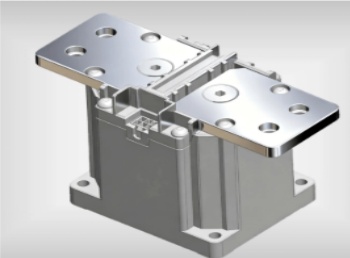
Direct Current (DC) contactors are essential components in industrial automation, electric vehicles, renewable energy systems, and power distribution networks. These devices act as high-capacity switches, enabling the safe and efficient control of DC circuits. However, like any electromechanical component, DC contactors are subject to wear and degradation over time. Proper maintenance not only ensures operational reliability but also extends the lifespan of these critical components, minimizing downtime and replacement costs.
1. Understanding DC Contactors
DC contactors consist of an electromagnet, movable contacts, a fixed contact, and a housing that often includes arc suppression mechanisms. Unlike AC contactors, DC contactors handle the unidirectional current, which makes arc suppression more challenging during the switching process. This is because DC arcs do not naturally extinguish at zero-crossing points, which occurs in AC circuits, increasing the stress on contacts.
Common applications include:
Electric vehicles and traction systems
Solar photovoltaic systems
Battery energy storage systems
Industrial motor controls
DC-powered machinery
Understanding the operational environment and load conditions is key to effective maintenance planning.
2. Common Causes of DC Contactor Failure
DC contactors, like all electromechanical devices, are subject to wear and degradation over time. Understanding the main causes of failure can help operators implement effective preventive measures to extend their operational life and ensure reliability in critical systems.
Contact Erosion
One of the most common causes of DC contactor failure is contact erosion. Every time a contactor switches a DC load, an electric arc forms between the contacts as they separate or close. Unlike AC arcs, which naturally extinguish at zero-crossing points, DC arcs persist until the contacts fully separate, creating higher thermal and electrical stress. Repeated exposure to these arcs gradually erodes the contact surfaces, leading to:
Reduced conductivity: Increased resistance at the contact point can cause voltage drops and overheating.
Incomplete closure: Poor contact can prevent the circuit from fully conducting, risking equipment malfunction.
Premature failure: Severe erosion eventually leads to permanent damage, requiring replacement.
High-load switching or frequent cycling accelerates this process, making proper monitoring and preventive maintenance crucial.
Coil Degradation
The contactor coil is responsible for actuating the contacts by generating a magnetic field. Over time, coils can degrade due to:
Excessive voltage: Overvoltage can cause insulation breakdown and reduce coil lifespan.
Prolonged energization: Continuous operation without adequate rest periods may overheat the coil.
Poor ventilation: Lack of airflow in enclosed panels can trap heat, accelerating insulation aging.
Coil degradation reduces magnetic force, leading to incomplete contact engagement or failure to actuate, which can compromise the entire system.
Mechanical Wear
Mechanical components, including springs, armatures, and hinges, experience natural fatigue over time. Dust, dirt, or corrosion can accumulate on these moving parts, causing:
Sluggish operation: Contacts may move more slowly, delaying switching response.
Jamming or sticking: Critical mechanical failure may occur if debris or corrosion prevents full movement.
Impaired performance: Reduced spring tension or worn pivots can compromise contact alignment, increasing arcing and wear.
Regular inspection and mechanical upkeep are essential to prevent operational inefficiencies.
Environmental Factors
DC contactors often operate in harsh environments. Exposure to moisture, dust, corrosive gases, or extreme temperatures can significantly accelerate component degradation:
Moisture: Leads to corrosion on contacts and metallic parts.
Dust and dirt: Reduces insulation performance and can obstruct moving components.
Temperature extremes: Excessive heat or cold may warp housing or reduce spring elasticity.
Corrosive atmospheres: Industrial gases, salt, or chemicals can damage metallic and insulating materials.
Proper enclosures and environmental controls are therefore critical in extending contactor life, especially in industrial plants, offshore facilities, or renewable energy installations.

3. Maintenance Best Practices
Implementing a structured and proactive maintenance program is essential to maximize the lifespan and reliability of DC contactors. These practices not only prevent unexpected failures but also enhance overall system safety and performance.
Regular Inspection
Routine inspections are the cornerstone of preventive maintenance for DC contactors. During inspections, operators should:
Visual checks: Examine the contactor for signs of wear, discoloration, pitting, or arcing on contact surfaces. Any visible damage is a warning of potential failure.
Wiring examination: Ensure all wiring connections are secure, properly insulated, and free from corrosion. Loose or damaged wiring can lead to arcing or operational failure.
Coil integrity: Measure insulation resistance and inspect coils for overheating, discoloration, or brittleness. A degraded coil may fail to generate sufficient magnetic force for proper contact closure.
Consistent inspections allow early identification of issues before they escalate, helping avoid costly downtime or equipment damage.
Cleaning Procedures
Cleanliness is critical to maintain optimal contactor performance. Dust, debris, and oxidation can impede electrical and mechanical function. Recommended cleaning procedures include:
Remove dust or particles from the contactor housing using a soft, lint-free cloth or gentle compressed air.
Clean contact surfaces with specialized electrical contact cleaners, avoiding abrasive materials that could damage the contact plating.
Maintain a dry operating environment to prevent oxidation and corrosion, particularly in humid or industrial settings.
Regular cleaning ensures smooth operation, reduces the risk of contact failure, and improves longevity.
Contact Surface Maintenance
The contact surfaces are the heart of a DC contactor. Proper maintenance includes:
Periodically measuring contact resistance. A sudden increase may indicate wear, contamination, or pitting.
Lightly polishing contacts in critical applications using manufacturer-approved tools to remove oxidation or minor surface damage.
Replacing contacts before wear reaches recommended limits to prevent unplanned shutdowns or equipment damage.
Maintaining contact surfaces ensures consistent conductivity and reliable switching performance.
Coil and Electrical Checks
The coil is essential for actuating the contactor. Key maintenance practices include:
Verifying that the coil voltage and current ratings match the system specifications.
Inspecting for signs of overheating, discoloration, or insulation degradation.
Ensuring proper ventilation in enclosed panels or high-temperature environments to prevent coil stress and failure.
Proper coil maintenance guarantees accurate actuation and reduces operational risks.
Mechanical Lubrication
Mechanical components such as pivots, springs, and armatures require occasional lubrication:
Apply light, manufacturer-approved lubricants to moving parts to minimize friction and mechanical wear.
Avoid over-lubrication, which can attract dust or debris, impeding smooth operation and accelerating wear.
Correct lubrication enhances the longevity and responsiveness of the mechanical system.
Testing Operational Performance
Functional testing helps detect issues that may not be visible during inspection:
Energize and de-energize the contactor under no-load conditions to verify smooth mechanical movement.
Listen for unusual noises, grinding, or delayed response that could indicate internal problems.
Use multimeters or specialized testers to monitor continuity, resistance, and switching performance over time.
Regular performance testing ensures reliable operation under real-world conditions.
Environmental Controls
Protecting contactors from harsh environmental conditions significantly extends their lifespan:
Install contactors in enclosures that prevent dust, moisture, and exposure to corrosive gases.
Consider temperature control solutions for panels in high-heat areas to prevent overheating.
For outdoor installations, use weatherproof housings to shield contactors from rain, dust, and extreme temperatures.
Effective environmental protection reduces degradation and minimizes maintenance frequency.
4. Predictive and Preventive Maintenance
In addition to routine maintenance, predictive strategies are increasingly used in modern industries:
Infrared thermography: Detects hot spots caused by high contact resistance before catastrophic failure occurs.
Vibration analysis: Monitors mechanical components for early signs of wear or imbalance.
Data logging: Tracks operating cycles, load conditions, and environmental factors to schedule timely component replacements.
Combining predictive analytics with preventive component replacement ensures DC contactors remain reliable over extended periods, reducing the risk of unplanned downtime.
5. Benefits of Proper DC Contactor Maintenance
Adhering to maintenance best practices offers significant advantages for industrial operations and ensures that DC contactors perform reliably over their service life.
Extended Equipment Life: Regular inspection, cleaning, and timely replacement of worn components reduce mechanical and electrical wear. This prolongs the operational lifespan of the contactor, delaying costly full replacements and minimizing disruption to production processes.
Improved Reliability: Well-maintained contactors operate consistently, reducing the risk of unexpected failures. This reliability is crucial in industrial systems where continuous operation is essential for productivity and safety.
Cost Savings: Preventive maintenance lowers emergency repair costs, minimizes downtime, and avoids the financial impact associated with equipment failures. Over time, these savings significantly outweigh the costs of routine maintenance activities.
Safety: Proper care ensures secure switching and reduces the likelihood of electrical hazards, arcing, or fires. By keeping mechanical and electrical components in optimal condition, maintenance helps protect personnel and equipment.
Optimized Performance: Maintenance ensures contacts and coils function correctly, maintaining stable voltage control and efficient load management. This supports consistent system performance and energy efficiency.
Environmental Protection: Reducing contactor failures decreases the risk of leaks, spills, or other safety hazards in industrial environments, contributing to safer and more sustainable operations.
By integrating these practices into regular maintenance routines, industries can enhance reliability, safety, efficiency, and sustainability while extending the overall service life of DC contactors.
6. Conclusion
DC contactors are integral to modern electrical systems, and their longevity depends on careful, regular maintenance. Following best practices—including inspection, cleaning, contact and coil maintenance, and environmental protection—ensures reliable operation, reduces downtime, and maximizes investment value.
For businesses seeking high-quality DC contactors and expert guidance on maintenance practices, Suzhou ALQ Electronic Technology Co., Ltd. offers a comprehensive range of solutions designed for durability and performance. Visit their website to learn more and explore products that meet the evolving demands of modern electrical and industrial systems.