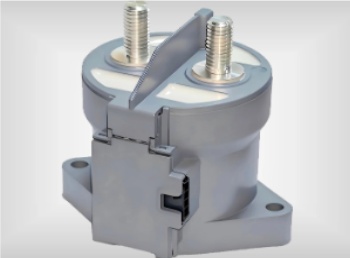
In today’s fast-evolving electrical and electronic landscape, DC contactors play a crucial role in ensuring safety, reliability, and efficiency in various applications. From industrial automation systems to electric vehicles and renewable energy installations, these devices are central to the control and protection of direct current (DC) circuits. Understanding their functionality, advantages, and practical applications is essential for engineers, technicians, and businesses seeking to optimize performance and safeguard equipment.
1. What is a DC Contactor?
A DC contactor is an electromechanical switching device specifically designed to handle direct current circuits. Unlike AC contactors, which deal with alternating current that naturally passes through zero voltage and thus facilitates arc extinction, DC contactors must manage continuous current flow. This requires precise design and construction to prevent arcing and ensure reliable switching.
DC contactors typically consist of the following components:
Electromagnetic Coil: Generates a magnetic field when energized, pulling the contacts together.
Contacts: Conductive elements that open or close the circuit. High-quality DC contactors use silver or copper alloy contacts for superior conductivity and durability.
Arc Suppression Mechanisms: Components such as arc chutes, magnetic blowouts, or specialized contact shapes to safely extinguish arcs during switching.
Housing and Insulation: Protects the internal components and ensures user safety, often designed to withstand harsh environmental conditions.
By integrating these components, DC contactors provide reliable switching and protection for circuits operating at voltages ranging from low-voltage automotive systems to high-voltage industrial applications.
2. Key Functions of DC Contactors
DC contactors play a vital role in modern electrical systems by combining functionality, safety, and automation capabilities. Their specialized design allows them to manage direct current (DC) circuits reliably, which is especially important in applications where continuous current flow can create challenges such as arcing and overheating. The primary functions of DC contactors can be categorized into circuit protection, remote control and automation, and energy management.
Circuit Protection
One of the foremost responsibilities of a DC contactor is safeguarding electrical equipment from damage caused by abnormal operating conditions. Direct current does not naturally cross zero voltage, as alternating current does, which makes interrupting DC circuits more challenging and increases the risk of arcing. DC contactors are engineered to handle these conditions safely.
Overcurrent Protection: In industrial and commercial environments, circuits may occasionally experience overcurrent situations due to component faults, load spikes, or wiring issues. DC contactors, in conjunction with fuses or circuit breakers, isolate affected sections of the circuit, preventing overheating that could damage cables, electronic components, or motors.
Short Circuit Mitigation: A short circuit can lead to catastrophic equipment failure or even fire hazards. DC contactors can quickly open the circuit when such faults occur, minimizing damage and providing an additional layer of safety beyond standard protective devices.
Surge Control: During startup or shutdown of heavy machinery, transient current surges can occur. DC contactors effectively manage these surges, ensuring that sensitive equipment like control systems, sensors, or inverters are not exposed to harmful spikes.
Remote Control and Automation
Modern electrical systems increasingly rely on automation to improve efficiency and safety. DC contactors are designed to support low-power control signals, allowing for remote operation across industrial, commercial, and residential applications.
Integration with PLCs: In automated manufacturing lines or industrial control systems, DC contactors can be interfaced with programmable logic controllers (PLCs) to switch circuits on or off according to pre-programmed conditions. This eliminates the need for manual intervention and ensures precise timing and sequence control.
Renewable Energy Synchronization: DC contactors are essential in renewable energy installations such as solar photovoltaic arrays or battery storage systems. They allow operators to manage battery connections, isolate arrays for maintenance, or synchronize multiple energy sources for efficient power distribution.
Electric Vehicles (EVs): In the EV industry, DC contactors control high-voltage battery connections to motors, inverters, and auxiliary systems. Remote actuation ensures that circuits can be safely connected or disconnected during charging, operation, or emergency situations.
Energy Management
Efficient energy management is another critical function of DC contactors, particularly in systems where batteries, inverters, and hybrid power sources are involved.
Battery Switching: DC contactors enable safe switching of batteries in and out of load circuits, ensuring optimal energy flow without interruption or risk of damage.
Overload Protection for Power Electronics: They protect sensitive devices such as DC-DC converters and inverters from excessive current that could lead to failure or reduced lifespan.
Optimized Power Delivery: In hybrid systems or off-grid installations, DC contactors regulate the distribution of electricity from multiple sources, ensuring that power is delivered efficiently to meet demand while minimizing losses.
3. Advantages of Using DC Contactors
Compared to traditional mechanical switches or purely manual solutions, DC contactors provide several significant benefits that make them indispensable in modern electrical systems:
High Reliability: Designed to endure millions of switching cycles, DC contactors ensure long-term durability even in high-demand applications, reducing the frequency of replacements and associated downtime.
Arc Suppression: Specialized contact designs, magnetic blowouts, or arc-chutes help minimize contact wear caused by arcing, extending operational life and maintaining consistent performance.
Compact and Lightweight Design: Modern DC contactors are engineered to fit into space-constrained electrical panels without compromising functionality, making them ideal for vehicles, renewable energy systems, and industrial cabinets.
Integration-Friendly: They can be easily connected to automation systems, relays, or monitoring devices, allowing for seamless incorporation into smart energy management setups.
Low Maintenance: Electromechanical operation reduces the need for frequent servicing compared to manual switches, making them cost-effective and reliable in the long term.
With these advantages, DC contactors are preferred across industries, including automotive, renewable energy, industrial automation, and power distribution. They ensure that systems operate efficiently while safeguarding equipment and personnel.
By combining circuit protection, automation capabilities, and energy management functions, DC contactors provide a versatile, reliable solution for modern electrical infrastructure.

4. Common Applications of DC Contactors
DC contactors are highly versatile devices, playing a critical role in a wide range of industries and applications due to their ability to safely switch and control direct current circuits. Their reliability, durability, and integration capabilities make them essential components in modern electrical systems.
Electric Vehicles (EVs)
In electric vehicles, DC contactors are used to manage the connection between high-voltage batteries and motors, inverters, or auxiliary systems. They serve as the primary safety switch, preventing electrical hazards during charging and discharging cycles. By enabling precise control over power distribution, DC contactors ensure efficient energy use and contribute to the overall performance and longevity of the vehicle’s battery system. They also provide rapid disconnection in emergency situations, protecting both the vehicle and the user.
Renewable Energy Systems
DC contactors are integral to solar photovoltaic (PV) and wind energy installations. They regulate the flow of electricity from panels or turbines to inverters and battery storage units. By isolating circuits during maintenance or faults, they prevent overcharging, minimize risk to batteries, and ensure consistent and safe energy delivery. Their ability to handle fluctuating current loads makes them ideal for renewable energy applications where variable input and output conditions are common.
Industrial Automation
In automated manufacturing and robotic systems, DC contactors control DC motors, solenoids, and other machinery components. They allow fast, reliable switching in high-speed production lines while protecting equipment from current surges and operational faults. Their integration with PLCs and control systems supports precise automation, reduces downtime, and improves overall production efficiency.
UPS and Power Backup Systems
Uninterruptible power supply (UPS) and backup systems rely on DC contactors to manage battery connections. They ensure seamless power transfer during outages and provide safe isolation of batteries during maintenance or fault conditions. This functionality guarantees uninterrupted operation for critical systems such as data centers, hospitals, and industrial plants.
5. Selecting the Right DC Contactor
Choosing the appropriate DC contactor is crucial for optimal performance and longevity:
Voltage and Current Ratings: Ensure the contactor can handle the maximum operating conditions of your circuit without overheating or damage.
Arc Suppression Capabilities: Important for high-current or high-voltage applications to minimize contact wear and extend service life.
Mechanical and Electrical Life: Consider the number of switching cycles the contactor is rated for, ensuring reliability in frequent-use scenarios.
Environmental Resistance: Take into account temperature extremes, humidity, dust, and corrosive conditions that may affect performance.
Compliance and Certification: Select contactors that meet international safety standards such as IEC, UL, or CE to guarantee quality and regulatory adherence.
By carefully evaluating these factors, engineers and technicians can select a DC contactor that ensures safety, efficiency, and a high return on investment for their electrical systems.
Conclusion
DC contactors are indispensable components in modern electrical systems, providing protection, control, and automation for a wide range of applications. From electric vehicles and renewable energy systems to industrial automation and power backup setups, these devices ensure safety, efficiency, and longevity. With proper selection, installation, and maintenance, DC contactors help businesses and individuals manage direct current circuits with confidence.
For those seeking high-quality DC contactors tailored to diverse applications, Suzhou ALQ Electronic Technology Co., Ltd. offers reliable solutions and professional support. Explore their range of products and expert guidance to enhance your electrical systems’ performance and safety.