Home » News » How To Troubleshoot Common DC Contactor Problems
How To Troubleshoot Common DC Contactor Problems
Views: 0 Author: Site Editor Publish Time: 2025-11-20 Origin: Site
DC contactors are essential components in many electrical systems, from industrial automation to renewable energy setups. They control high-current circuits safely and reliably, ensuring that power is delivered only when needed. However, like any mechanical-electrical device, DC contactors can encounter problems that affect performance and safety. Understanding how to troubleshoot these issues is key to maintaining system reliability and preventing downtime.
1. Understanding the DC Contactor
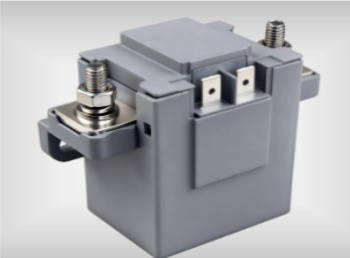
Before diving into troubleshooting, it’s important to understand what a DC contactor is and how it works. Essentially, a DC contactor is an electrically operated switch designed to handle direct current. When the coil is energized, it creates a magnetic field that pulls the contacts together, allowing current to flow. When de-energized, the contacts separate, interrupting the circuit.
Key components include:
Coil: Creates the magnetic field to operate the contacts.
Contacts: The moving and stationary elements that open or close the circuit.
Arc Chute: Helps extinguish the arc formed when contacts separate under load.
Housing: Protects internal components from dust, moisture, and mechanical damage.
DC contactors differ from AC contactors because DC arcs are more persistent, requiring specialized contact designs and arc-quenching mechanisms. This makes troubleshooting DC contactors particularly important to prevent equipment damage or safety hazards.
2. Common DC Contactor Problems
DC contactors are widely used in industrial and commercial applications, from motor control to renewable energy systems. While they are designed for reliability, several issues can arise over time. Recognizing these problems early can save both time and money, and prevent larger electrical failures or safety hazards. Understanding the root causes, symptoms, and troubleshooting steps is crucial for any maintenance technician or electrical engineer.
Coil Issues
Symptoms: The contactor fails to engage when voltage is applied. In some cases, you might hear a faint click, but the contacts do not close properly.
Possible Causes:
Burnt or damaged coil: Overvoltage, prolonged energization, or frequent on-off cycling can cause the coil to overheat and fail.
Loose or corroded connections: Poor electrical contact at the coil terminals can prevent sufficient current from energizing the coil.
Incorrect coil voltage: Using a coil with a voltage rating that does not match the control circuit can prevent activation or damage the coil permanently.
Troubleshooting Steps:
Verify that the coil voltage matches the control circuit. DC contactors are voltage-sensitive; even small deviations can prevent operation.
Inspect all coil connections for signs of corrosion, oxidation, or loose wiring. Clean and retighten terminals as needed.
Measure coil resistance with a multimeter. A reading significantly higher or lower than the manufacturer’s specification indicates a damaged coil.
Replace the coil if necessary, ensuring you use a part with the correct voltage rating and specifications.
Tip: Repeated cycling of the coil under load stresses the insulation, so consider periodic inspection in high-duty applications.
Contact Wear or Pitting
Symptoms: The contactor sparks excessively, overheats, or allows intermittent current flow, leading to unreliable operation.
Possible Causes:
Arcing during switching: DC arcs are particularly persistent, which can erode contact surfaces over time.
Mechanical wear: Frequent operation wears down contacts, reducing contact area and efficiency.
Dirt or oxidation: Dust, moisture, and oxidation can create resistance at the contact interface, causing heat buildup.
Troubleshooting Steps:
Visually inspect contacts for pitting, discoloration, or uneven wear.
Minor oxidation can be removed with a non-abrasive contact cleaner or fine sandpaper.
Severely damaged contacts should be replaced to ensure consistent current flow and to prevent overheating.
Confirm proper alignment of contacts after cleaning or replacement, as misalignment can exacerbate arcing.
Tip: Keep records of contact inspections to predict replacement cycles and avoid sudden failures.
Mechanical Malfunctions
Symptoms: The contactor sticks in either the closed or open position, or operates more slowly than expected.
Possible Causes:
Dirt, dust, or debris obstructing the movement of the armature.
Weak or broken return spring, reducing the contactor’s ability to disengage.
Misalignment of internal components or excessive wear on the moving parts.
Troubleshooting Steps:
Remove the contactor from service and carefully check for physical obstructions. Clean with compressed air if needed.
Test the return spring’s tension and replace it if it cannot reliably return the contacts to the open position.
Inspect all moving components for wear or misalignment and lubricate according to the manufacturer’s recommendations.
Tip: Avoid using oil-based lubricants on the coil or contacts, as they can attract dust and impair electrical conduction.
Overheating
Symptoms: The contactor’s housing becomes excessively hot, or the contacts show discoloration, warping, or smoke residue.
Possible Causes:
Current load exceeding the contactor’s rated capacity.
Poor ventilation around the contactor, preventing heat dissipation.
Loose or corroded terminal connections, increasing resistance and localized heating.
Troubleshooting Steps:
Confirm that the connected load does not exceed the contactor’s specifications. Consider upgrading to a higher-rated contactor if overloads are frequent.
Ensure that the installation provides adequate airflow around the contactor. Avoid tight enclosures without ventilation.
Tighten all terminal connections and inspect wiring for heat-related damage. Replace damaged cables or terminals.
Tip: For systems with fluctuating or high inrush currents, select contactors with appropriately rated thermal protection.
Control Circuit Issues
Symptoms: The contactor clicks but fails to close the circuit, or closes intermittently, leading to erratic operation.
Possible Causes:
Faulty control switch or relay failing to provide adequate voltage.
Voltage drops in the control circuit, especially over long cable runs.
Electrical interference or noise affecting coil operation.
Troubleshooting Steps:
Test the control switch or relay and replace if it fails to deliver consistent voltage.
Measure the actual voltage at the coil while the control circuit is engaged to ensure adequate supply.
Check for grounding issues or electromagnetic interference (EMI) that may disrupt coil operation.
Use shielded cables or proper grounding practices if interference is detected.
Tip: Control circuit issues are often overlooked because the contactor itself appears undamaged. Always test the control circuit as part of troubleshooting.
3. Preventive Maintenance Tips
Preventive maintenance is essential for ensuring the reliable operation of DC contactors and minimizing unexpected downtime. By regularly inspecting and maintaining your contactors, you can detect minor issues before they escalate into costly failures.
Visual Inspection: Conduct routine inspections to check for dust accumulation, moisture ingress, corrosion, discoloration, or any signs of physical damage. Pay special attention to the coil, terminals, and moving parts. Early detection of surface corrosion or buildup can prevent arcing and overheating.
Electrical Testing: Periodically measure the coil resistance and contact resistance using a multimeter. Significant deviations from manufacturer specifications can indicate coil degradation, contact wear, or wiring issues. Testing at regular intervals helps identify problems before they affect operational performance.
Cleaning: Keep the contactor free from dirt, dust, and debris. Use a soft brush, compressed air, or approved electrical cleaning solutions. Avoid harsh chemicals that could damage insulation or contact surfaces. For heavily contaminated environments, consider installing protective enclosures or filters to reduce dust ingress.
Tightening Connections: Loose terminals and connections are a common cause of overheating, arcing, and contact failure. Regularly inspect and tighten all connections, especially after periods of high vibration or heavy operation. Proper torque application ensures consistent electrical contact and reduces resistance.
Proper Sizing: Ensure that the contactor is correctly rated for the voltage, current, and duty cycle of the application. Using an underrated contactor can lead to premature wear, overheating, and potential safety hazards. Oversized contactors, while safer, may increase energy consumption and reduce efficiency.
Develop a Maintenance Schedule: Establish a maintenance schedule based on operational frequency and environmental conditions. High-use contactors in industrial machinery may require monthly checks, while low-use or lightly loaded units can be inspected quarterly. Document each inspection to track trends and predict replacement intervals.
Additional Tips: Consider using thermal imaging to detect hotspots that may indicate excessive resistance or partial contact failures. Lubricate moving parts sparingly with manufacturer-approved lubricants to maintain smooth operation without attracting dust.
4. Safety Considerations
DC contactors handle high currents and voltages, making safety a top priority during installation, maintenance, and troubleshooting.
Disconnect Power: Always ensure that the power supply is completely disconnected before performing any inspection or maintenance. Lockout/tagout (LOTO) procedures are recommended to prevent accidental energization.
Use Insulated Tools and PPE: Utilize insulated hand tools, gloves, and protective eyewear to minimize the risk of electric shock or injury from accidental arcing.
Follow Manufacturer Guidelines: Adhere strictly to manufacturer specifications for replacement parts, torque values, and maintenance intervals. Using non-approved components can compromise performance and safety.
Avoid Improvisation: Never substitute parts or modify the contactor for applications it was not designed for. DC arcs are particularly persistent and can cause severe damage or injury if the device is misused.
Environment Awareness: Ensure that the working area is dry and free from conductive materials that could cause shorts. Maintain adequate ventilation to prevent overheating and allow heat dissipation from the contactor housing.
By combining preventive maintenance with strict adherence to safety protocols, you can significantly extend the lifespan of DC contactors, enhance operational reliability, and reduce the risk of accidents or equipment damage.
5. Conclusion
DC contactors play a vital role in controlling direct current circuits across industries. While they are robust and reliable, issues like coil failure, contact wear, mechanical malfunction, overheating, or control circuit problems can arise. By understanding the causes and following systematic troubleshooting steps, technicians can maintain optimal performance and extend the life of these critical components.
For reliable DC contactor solutions, high-quality components, and expert guidance on industrial applications, consider partnering with Suzhou ALQ Electronic Technology Co., Ltd. Their products are designed for durability, efficiency, and safety in modern electrical systems. Contact them to learn more about their range of DC contactors and related solutions.
ALQ Technology was founded in
2013 and is committed to providing safer and more reliable DC switchgear for the global market. We have a strong R&D team that closely focuses on customers' needs and pain points, delivering
targeted DC contactors / DC relays to them. Endowed with rapid
response capabilities, we
continuously create greater value for our customers.