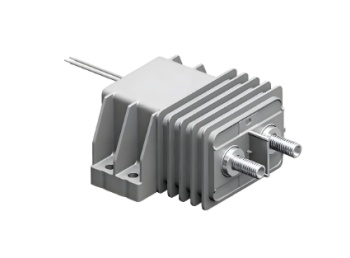
Direct Current (DC) contactors play a pivotal role in modern electrical systems. Unlike AC systems, DC circuits present unique challenges due to constant polarity, which can create persistent arcs when contacts open. Understanding the design, components, and working principles of DC contactors is essential for engineers, technicians, and anyone involved in industrial automation, renewable energy, or electric mobility solutions.
1. What is a DC Contactor?
A DC contactor is an electromechanical switching device specifically designed to control high-current DC circuits. It functions like a relay but is optimized to handle the continuous flow and potential arcing of DC electricity. Applications span from battery management systems and solar installations to electric vehicles and industrial machinery. By safely connecting and disconnecting power, DC contactors enhance system efficiency, longevity, and safety.
Key features of DC contactors include:
High current-carrying capacity
Arc suppression mechanisms
Rapid switching and minimal contact wear
Robust construction to handle vibrations and thermal stress
2. Core Components of a DC Contactor
DC contactors are engineered for high reliability, durability, and safe operation in circuits where direct current presents unique challenges. Unlike AC circuits, DC lacks natural zero-crossing points, meaning arcs can persist longer when contacts open. Understanding the main components of a DC contactor is essential for proper selection, maintenance, and troubleshooting, particularly in high-current industrial, renewable energy, or electric vehicle applications.
Coil (Electromagnet)
The coil is often considered the heart of a DC contactor. When energized, it generates a magnetic field that actuates the armature, causing the contacts to open or close. The design and performance of the coil are crucial for smooth operation, minimal arcing, and long service life.
Key considerations for the coil include:
Voltage rating: The coil must be designed to match the control circuit voltage. Overvoltage can overheat and damage the coil, while undervoltage may prevent proper contact closure.
Insulation class: Coils are typically rated according to their insulation class, which determines their ability to withstand thermal and electrical stress. High-quality insulation ensures long-term durability, even under continuous operation.
Response time: Faster coil operation reduces contact bounce and the duration of any arcs, improving switching reliability. Quick response is particularly important for inductive or high-current loads.
Modern DC contactors often feature coils with low power consumption and protection against voltage spikes. Surge protection devices, diodes, or varistors are sometimes integrated to prevent coil damage during switching events. The coil’s efficiency and design directly impact operational stability and maintenance intervals.
Armature
The armature is the movable magnetic component that responds to the coil’s electromagnetic field. Its precise motion translates into the mechanical opening or closing of the contacts. The armature’s quality directly affects the contactor’s reliability, switching speed, and operational life.
High-precision armatures reduce contact bounce, minimize arcing, and improve overall performance. Many designs incorporate spring-assisted mechanisms to ensure rapid movement and stable operation. The choice of materials and the mechanical tolerances of the armature are critical for reducing wear and maintaining consistent actuation over thousands or even millions of cycles.
Contacts
Contacts are the conductive elements responsible for completing or interrupting the circuit. In DC systems, contacts face additional challenges because arcs do not extinguish naturally as they do in AC systems.
Key features include:
Material selection: Silver alloys, copper-tungsten, and other high-conductivity materials are common. These materials resist wear and maintain low contact resistance over long-term use.
Arc quenching: Magnetic blowouts, arc chutes, or specially designed contact separations help direct, elongate, and extinguish arcs quickly. Proper arc management prevents damage and reduces fire hazards.
Contact configuration: DC contactors can feature single or multiple poles, depending on load requirements. Multipole designs ensure balanced switching in complex circuits and allow higher current capacities.
The performance of the contacts determines the service life, switching reliability, and overall safety of the device. Regular inspection and maintenance of contact surfaces are essential for high-current applications.
Arc Suppression Mechanism
Arcing is a major concern in DC circuits, as it can erode contacts, generate heat, and create safety risks. DC contactors incorporate specialized mechanisms to suppress arcs effectively:
Magnetic blowouts: These devices use a magnetic field to elongate the arc, forcing it away from contact surfaces and promoting rapid extinction.
Arc chutes: These enclosures cool and split the arc, dispersing its energy to prevent damage.
Contact separation speed: Rapid opening reduces the time the arc is sustained, minimizing contact wear and energy loss.
These mechanisms are particularly critical in high-voltage systems, electric vehicle batteries, or solar inverters, where arcing could otherwise compromise safety and reliability.
Enclosure and Insulation
The outer housing protects internal components from dust, moisture, vibration, and mechanical impacts. Proper insulation prevents short circuits and ensures that the contactor can handle high dielectric stresses safely. Industrial-grade DC contactors often feature sealed or IP-rated enclosures, allowing them to operate reliably in harsh environments, including outdoor, marine, or industrial locations.
Auxiliary Components
Many DC contactors include auxiliary contacts or additional features for system integration and monitoring:
Auxiliary contacts: Provide feedback signals to control systems, enabling remote monitoring of the contactor’s status.
Thermal protection: Protects against overheating or coil burnout.
Surge suppression components: Diodes, varistors, or snubber circuits reduce voltage spikes.
Mechanical interlocks: Prevent unintended simultaneous operation of multiple circuits, enhancing safety.
These auxiliary elements extend functionality and improve system integration, particularly in automated or safety-critical applications.
3. Working Principles of a DC Contactor
The operation of a DC contactor is fundamentally electromechanical. When the control voltage energizes the coil, the resulting magnetic field attracts the armature. This movement closes the main contacts, allowing current to flow through the load. When the coil is de-energized, spring force returns the armature to its resting position, opening the contacts and interrupting current flow.
Closing Operation
The closing sequence involves several coordinated steps:
Coil energization: Voltage applied to the coil generates a magnetic field.
Armature movement: The magnetic field overcomes spring tension, drawing the armature toward the coil.
Contact closure: Main contacts meet, establishing a low-resistance conductive path.
Arc management: If the load is already carrying current, arc suppression mechanisms activate immediately, preventing contact damage and energy loss.
Opening Operation
The opening sequence occurs when the coil is de-energized:
Coil de-energization: The magnetic field collapses.
Armature return: Spring-assisted mechanisms move the armature away from the contacts.
Arc interruption: Magnetic blowouts and arc chutes act to quench any arcs quickly.
Current cessation: The circuit is safely interrupted, protecting downstream components.
Proper mechanical design and precise timing ensure that DC contactors can operate reliably even under high-current, high-voltage conditions.

4. Key Considerations When Selecting a DC Contactor
Choosing the correct DC contactor is crucial for system reliability, safety, and long-term performance:
Rated current and voltage: Must accommodate peak and continuous loads. Overloading can cause contact wear, overheating, or failure.
Environmental conditions: Temperature extremes, humidity, dust, and vibration affect contactor choice. Sealed enclosures or specialized insulation may be required.
Switching frequency: High-frequency operations demand durable coils and contacts to avoid premature wear.
Arc suppression requirements: Essential in high-voltage or inductive loads to prevent contact erosion and system hazards.
Control system integration: Compatibility with PLCs, battery management systems, or other automation devices ensures seamless operation.
Proper selection, installation, and maintenance maximize the life and efficiency of a DC contactor while minimizing the risk of failure in critical applications.
5. Applications of DC Contactors
DC contactors are widely used across industries, including:
Electric vehicles: For battery disconnection, motor control, and high-voltage safety
Renewable energy systems: Solar and wind power systems rely on DC contactors for inverter and battery management
Industrial automation: DC motors, conveyors, and automated machinery use contactors for reliable control
Power distribution: High-current DC circuits in data centers, telecom systems, and uninterruptible power supplies
Marine and rail transport: Safe control of battery banks, auxiliary systems, and propulsion circuits
Their versatility makes DC contactors an indispensable component in modern electrical systems.
6. Maintenance and Reliability Tips
While DC contactors are robust, proper maintenance ensures optimal performance:
Regularly inspect contacts for wear or pitting
Clean the coil and armature to prevent dust buildup
Test arc suppression components and auxiliary contacts
Ensure proper tightening of terminals and connections
Replace contactors showing excessive wear or mechanical issues
Routine maintenance reduces downtime and enhances system reliability, especially in critical applications.
Conclusion
Understanding the components, design, and working principles of DC contactors is essential for anyone working with high-current DC systems. From the coil and armature to contacts and arc suppression mechanisms, each part contributes to reliable switching, operational safety, and system efficiency. With applications spanning electric vehicles, renewable energy, and industrial automation, DC contactors are at the core of modern electrical engineering.
For businesses or engineers seeking high-quality, reliable DC contactors, Suzhou ALQ Electronic Technology Co., Ltd. offers advanced solutions engineered for durability, performance, and safety. Visit their website to explore product specifications, request consultations, or get in touch for tailored recommendations.